How to Find the Right Connecticut Wedding Photographer for Your 2027 Wedding
Finding a Connecticut wedding photographer for your 2027 wedding isn’t just about availability — it’s about finding someone whose entire approach is built around you. Not a pose sheet. Not a location chosen for convenience. A photographer who takes the time to understand who you are together, and builds your coverage around that.
Most couples spend more time researching hotels for their honeymoon than they spend vetting their wedding photographer. And then the honeymoon ends — but the photos stay forever.
I don’t say that to make anyone feel bad about it. I say it because the research process for finding the right Connecticut wedding photographer is genuinely unclear — there’s no roadmap, the options are overwhelming, and most of the advice out there is written by people who want to be booked, not by people who want to help you make a good decision.
So here’s my honest version of that guide. What to actually look for. Why timing matters more than most couples realize. What separates a cinematic session from a traditional shoot. And the specific questions worth asking before you sign anything.
What to Actually Look for in a Connecticut Wedding Photographer
The obvious answer is portfolio. And yes — you should look at the work, look hard, and look at more than highlights. However, the portfolio is only the beginning of what tells you whether a photographer is right for your wedding.
Beyond the images, there are four qualities that consistently separate photographers who deliver extraordinary work from photographers who deliver competent work. These qualities don’t always show up in a grid.
A recognizable visual signature
Not just beautiful images — images that feel like they came from the same person. A consistent color language, a consistent approach to light, a consistent way of finding moments. Look at full galleries, not highlight reels. The signature should hold across an entire day, not just the golden hour shots.
Personal presence on the day
In Connecticut, as across the industry, studios frequently book under one photographer’s name and send an associate on the wedding day. This is legal. Ask directly: “Will you personally be at my wedding?” Then get that answer in writing, in your contract, before you sign anything.
A real pre-wedding process
The best wedding coverage doesn’t begin on the wedding day. It begins in the months prior — discovery conversations, creative planning, engagement sessions, timeline collaboration. A photographer who has no process before the day is one who is figuring it out as they go.
Reviews that mention how the day felt
Five-star reviews that talk about beautiful images are common. The more useful reviews are the ones that describe how the photographer made the couple feel — calm, seen, at ease, like they forgot the camera was there. That experience shows up in the images whether you can articulate it or not.
When you find a photographer who has all four — consistent work, personal presence, a real process, and clients who felt cared for — that’s the combination worth booking. And booking promptly, because that combination is rarer than it should be.
Why 2027 Couples Should Start Now — and What Happens If You Wait
Summer 2026 is the booking window for 2027 weddings. Not because anyone is trying to pressure you into making a fast decision, but because the timeline is real and understanding it makes the whole process feel less stressful rather than more.
Most experienced wedding photographers in Connecticut work a limited number of weddings per year. That’s by design — the kind of presence, energy, and creative investment that a full wedding requires can’t be sustained across an unlimited calendar. As a result, popular dates fill from the top down. Couples who research early get the photographers they actually want. Couples who wait choose from what’s left.
The photographers still available for prime 2027 Saturday dates in the spring of 2027 are, in many cases, the ones who weren’t chosen earlier. That’s not always true — but it’s true often enough to matter.
Beyond availability, there’s another reason early booking serves you well: it gives you time to make a considered decision. When you’re not scrambling, you can ask for full galleries. You can have a real discovery conversation rather than a rushed call. You can read recent reviews, speak with past clients, and review a contract carefully before signing it. Furthermore, you can simply sit with the decision and make sure it feels right — rather than signing quickly because your date is about to close.
For 2027 couples specifically, summer 2026 is the moment when you’re ahead of the rush rather than in the middle of it. That position is worth something. Use it.
What Makes a Cinematic Session Different from a Traditional Shoot
When couples tell me they want something that doesn’t look like everyone else’s wedding photos, what they’re usually describing — without having the vocabulary for it yet — is a cinematic approach. Here’s what that actually means in practice, and why it matters for how you think about finding the right photographer.
Traditional wedding photography is largely reactive. The photographer documents what happens, captures the posed moments that are expected, and delivers a gallery that looks like it could belong to almost any wedding of similar style and budget. The images are often technically beautiful. They’re also frequently interchangeable.
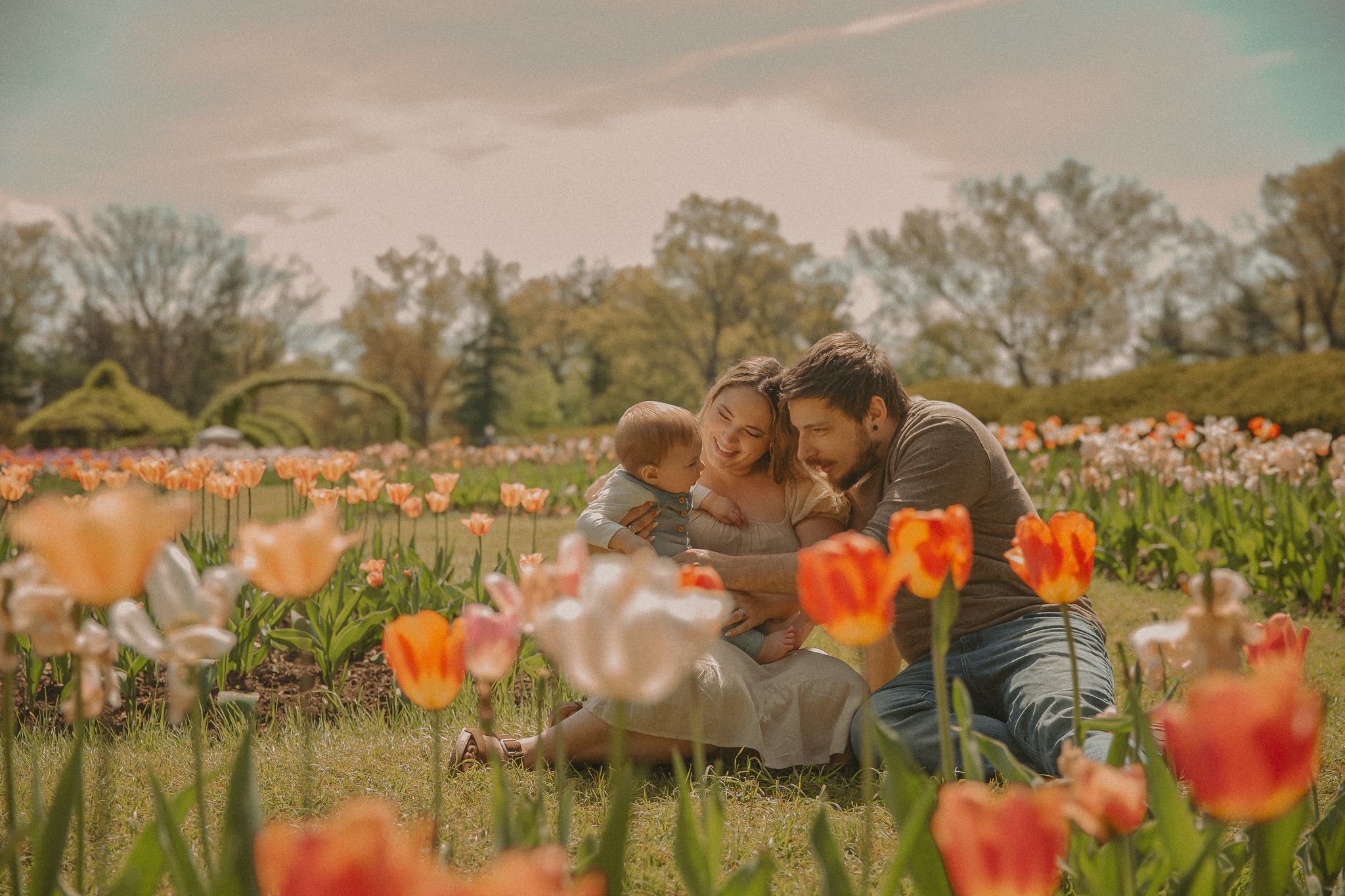
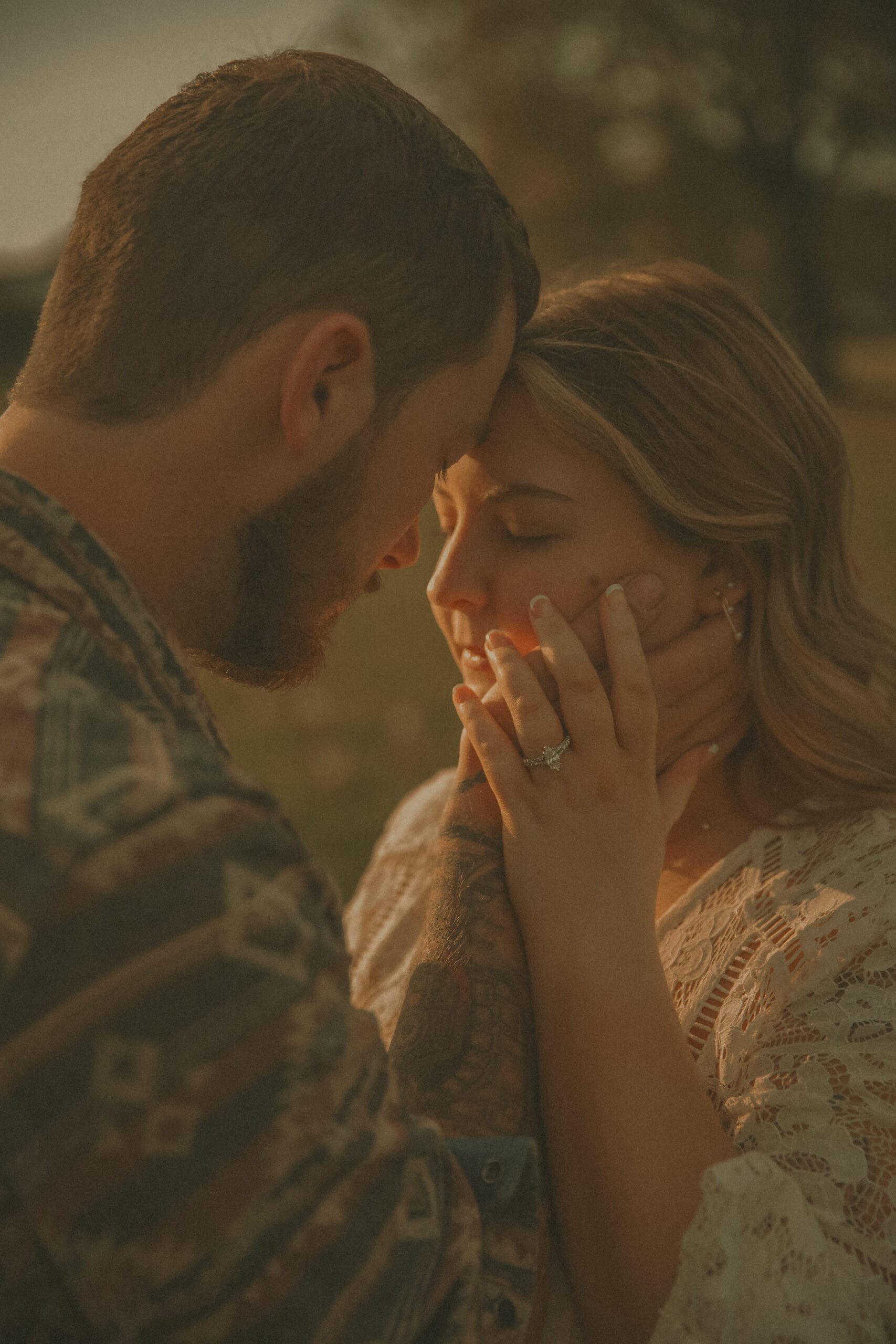
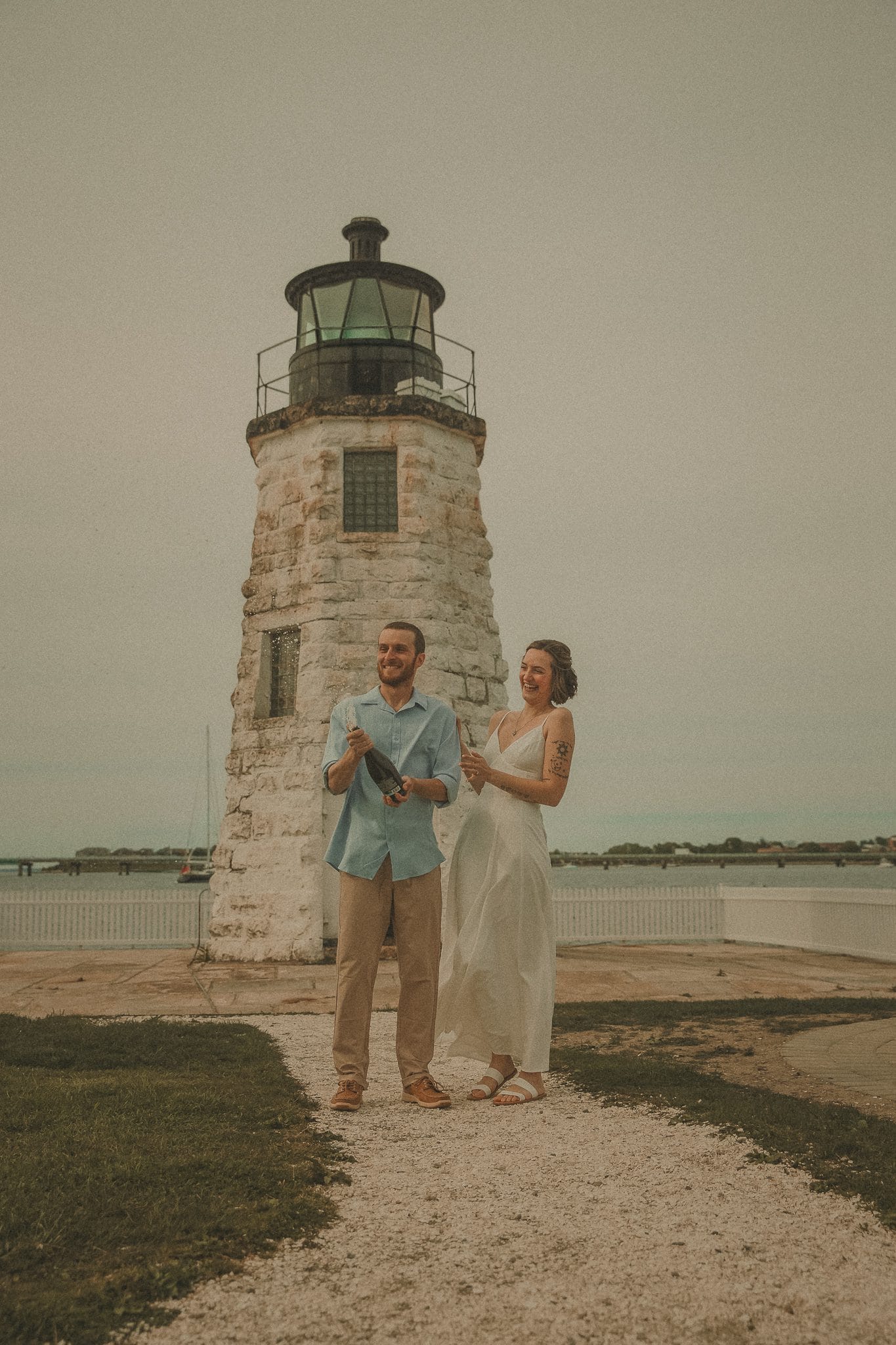
Cinematic wedding photography — the kind that feels like a frame from a film rather than a photo from a park — is built differently. It’s proactive, intentional, and specific to the two people getting married.
- Standard shot list applied to every couple
- Locations chosen for convenience or familiarity
- Light worked around rather than planned for
- Poses pulled from a reference sheet
- Gallery that could belong to any wedding
- Coverage begins on the wedding day
- Coverage built around this couple specifically
- Locations chosen for the visual story being told
- Light scouted and planned in advance
- Direction creates genuine moments, not poses
- Gallery that could only belong to you
- Process begins weeks or months before the day
The result of that difference isn’t just aesthetic — it’s emotional. Couples who go through a thoughtful, collaborative pre-wedding process consistently describe their gallery differently than couples who didn’t. They use words like “us,” “real,” and “exactly what we wanted.” Because it was built around them rather than applied to them.
This is also why lead time matters more for cinematic coverage than for traditional photography. The process that produces those images requires time — discovery conversations, creative planning, engagement sessions, location work. None of that can be compressed into the final weeks before the wedding without the images reflecting the compression.
Questions to Ask Before You Book
Once you’ve found a Connecticut wedding photographer whose work genuinely resonates — whose images stop you mid-scroll, whose portfolio feels specific rather than generic — these are the questions that tell you whether the relationship is right.
“Can I see two or three complete galleries from recent weddings?”
Not highlights — full galleries, start to finish, from getting-ready through last dance. A complete gallery shows you how a photographer handles ten hours of different lighting conditions, emotional moments, and logistical chaos. That’s where consistency either holds or doesn’t.
“Will you personally photograph my wedding, or could an associate cover it?”
Ask this directly. Get the answer in writing in your contract before you sign. Associate situations are more common in Connecticut than most couples realize — and the couple who finds out on their wedding morning is not in a position to do anything about it.
“What does your process look like between booking and the wedding day?”
A photographer with a real pre-wedding process will answer this with specifics. Discovery conversations, creative planning, engagement sessions, timeline collaboration, pre-wedding check-ins. If the answer is vague — “we’ll be in touch as we get closer” — that’s useful information about what the experience will actually feel like.
“What are your backup plans for gear failure or a personal emergency?”
Any photographer who has been working weddings for more than a season has thought through this and has a real answer. Discomfort with the question, or a vague response, tells you something about how they handle the unexpected in general.
“Can I speak with a couple you photographed in the past twelve months?”
A real conversation with a recent client tells you things no testimonial page can. Ask them about communication during the planning process, how the day felt, and whether the gallery arrived when expected. A confident photographer will offer this without hesitation — because their recent clients will say the right things.
“What’s included in the contract around delivery timeline, image rights, and cancellation?”
Read the contract before you sign it. Know when your gallery arrives, what you can do with the images, and what happens to your payment if something changes on either side. A professional contract protects both of you — and a photographer who doesn’t have one is a significant risk regardless of how beautiful the work is.
Beyond the logistics, there’s a simpler and equally important test: after your discovery call, how do you feel? Not about the pricing or the packages — about the person. Your wedding photographer will be present for some of the most private, emotionally charged moments of your wedding day. Their energy either eases the room or tightens it. That matters as much as anything in the portfolio.
The couples I’ve worked with who ended up with their dream galleries weren’t the ones who booked fastest or spent the most. They were the ones who did the research, asked the real questions, and found a photographer whose work — and whose presence — felt specifically right for them.
That process takes a little time on the front end. For 2027 couples, summer 2026 is the moment when that time is still available. The window is open. Use it well.
Now Booking 2027 Weddings
If you’re planning a 2027 wedding in Connecticut and want something that feels like a frame from a film — not a photo from a park — I’d love to start a conversation.
Book Your Free Discovery CallYou May Also Like